

How FriesenPress Author Sonia Palleck Landed a Big Five Publisher Book Deal
/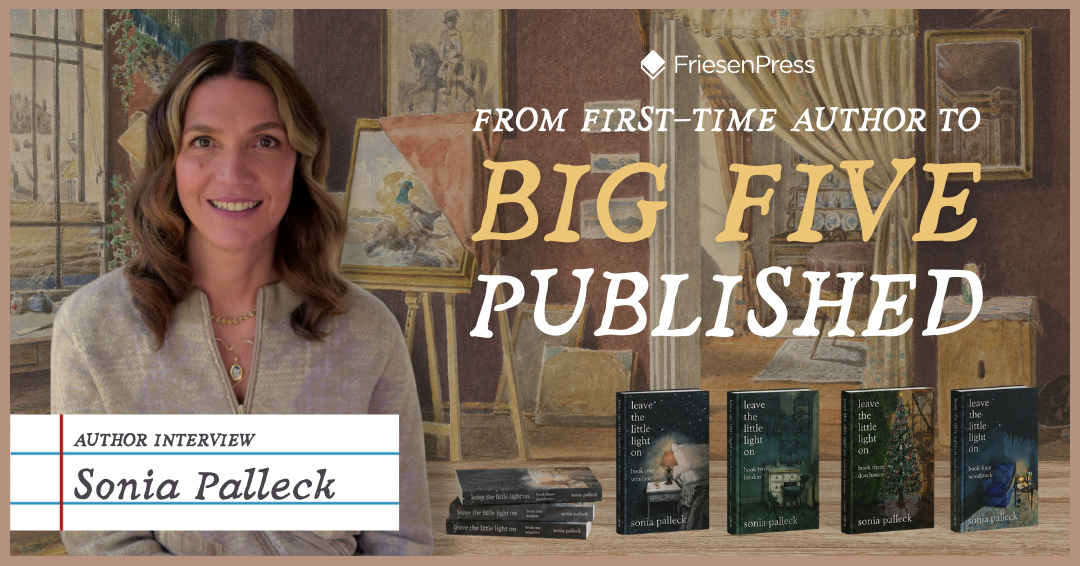
Sonia Palleck was a creative kid, always writing poetry, short stories, and even making homemade newspapers to distribute around her neighbourhood. But like many creative pursuits, writing was eventually sidelined for a more practical path.
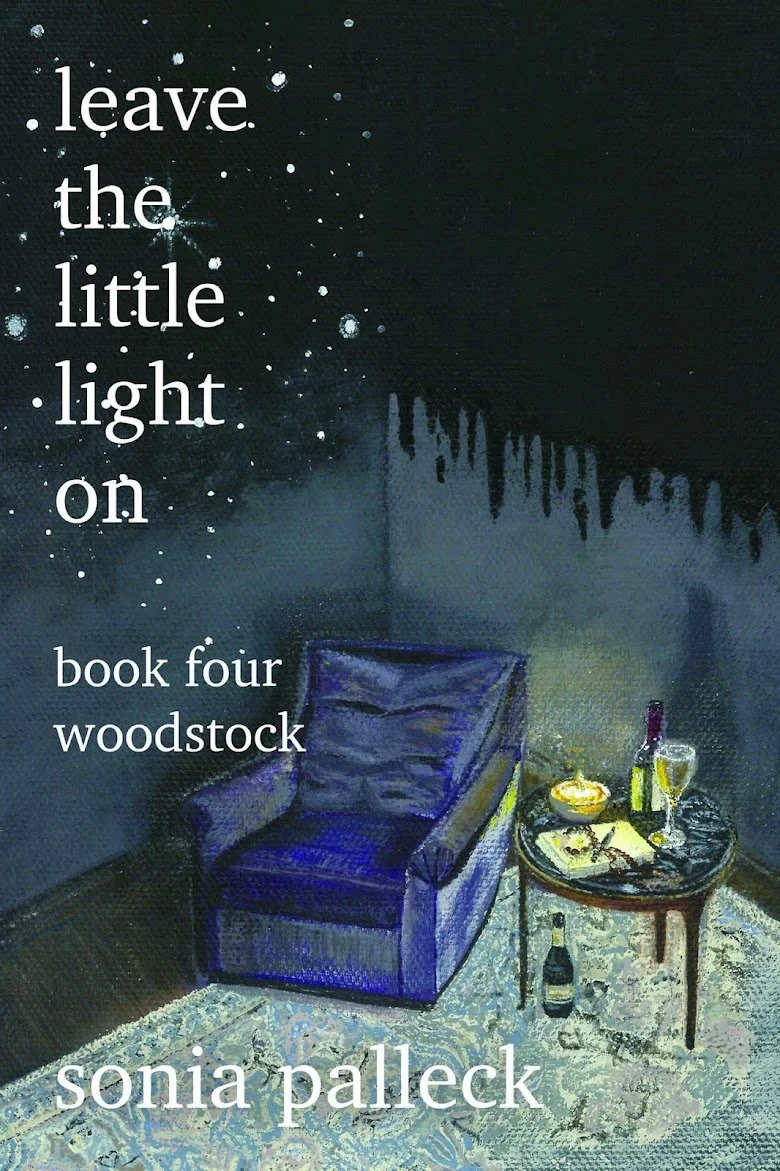
After 25 years in dentistry, her return to writing came spontaneously one quiet, early morning in March 2020. A single writing session eventually led to over 600,000 words, paving the way for her four-part series with FriesenPress, Leave the Little Light On. Now, she’s a full-time author who recently signed a deal with big five publisher Penguin Random House for her new novel, We Three Queens.
We sat down with Sonia to talk about her career jump from dentistry to authorship, what she learned navigating the self-publishing world, the dedication needed to turn a lifelong dream into a book and major publishing deal, and much more.
Our conversation has been edited for length and clarity.
Let’s talk about your journey to becoming an author over the last few years. You have a background in dentistry and orthodontics – how did you find your path to writing?
I took a bit of a roundabout way to becoming an author and a writer. I always wanted to write. I think I always had it in me. I was always writing poetry as a child, writing short stories, making up little newspapers and distributing them around the neighborhood and things of that nature.
When I did my aptitude test in grade 13, I came out top for both journalist and dentist. At the time, we were not in a great financial position as a family, and I asked the counselor who makes more money. He said the dentist, and told me you can always write on the side. So, I decided to pursue dentistry, and I ended up getting my specialty in orthodontics.
I quickly realized it’s not that easy to write books on the side. Over 25 years there were many times I attempted to write books, but I never really completed anything in a sustained way.
Then in March 2020, I was lying in bed at 4 a.m., and this voice very clearly, outside of me, said, “It’s time to write.” I jumped out of bed and looked around the house. There was no one there. I went to the shelf, got a journal and a pen, and I just held it over the page. I had no concept that I would start writing this book series, but I just began writing what became Leave the Little Light On. And I remember thinking, “Oh, that’s an interesting title.” I had thought of that before, if I ever wrote a book. I held the pen there and it just kind of came out.
Halfway down that page I realized while writing about Athena, I was writing about me as a little girl. It ended about an hour later and I went to work. I felt very odd about it. I wasn’t sure what to tell people at work, or anyone, because it was so unusual.
And then the very next day at 4 a.m., I woke up again and the thought in my head was, “It’s time to write.” And I just went back to the story. I thought, “how is this going to happen?” I opened it to where I left off and it just picked up exactly where it stopped. And it kept doing this. I did this continuously, every single morning. I did not miss a morning for 15 months.
I was writing with a pen, so I had no concept of how long it was or how much I had written until I actually put it into the computer, which took about nine months as well, because I was doing it while working.
Then I realized I had written over 600,000 words and I had actually produced four books. What I thought was one book in four parts was actually four full books. I knew during the whole process that there was something about the story. It was very cringy for me to write at times. I had a lot of resistance because it was based on my life. But I also realized there was a bigger message, that if one person reads these books and it unlocks something in their healing journey, then it will have been worth it.

What was your process in taking those 600,000 words and turning it into four books?
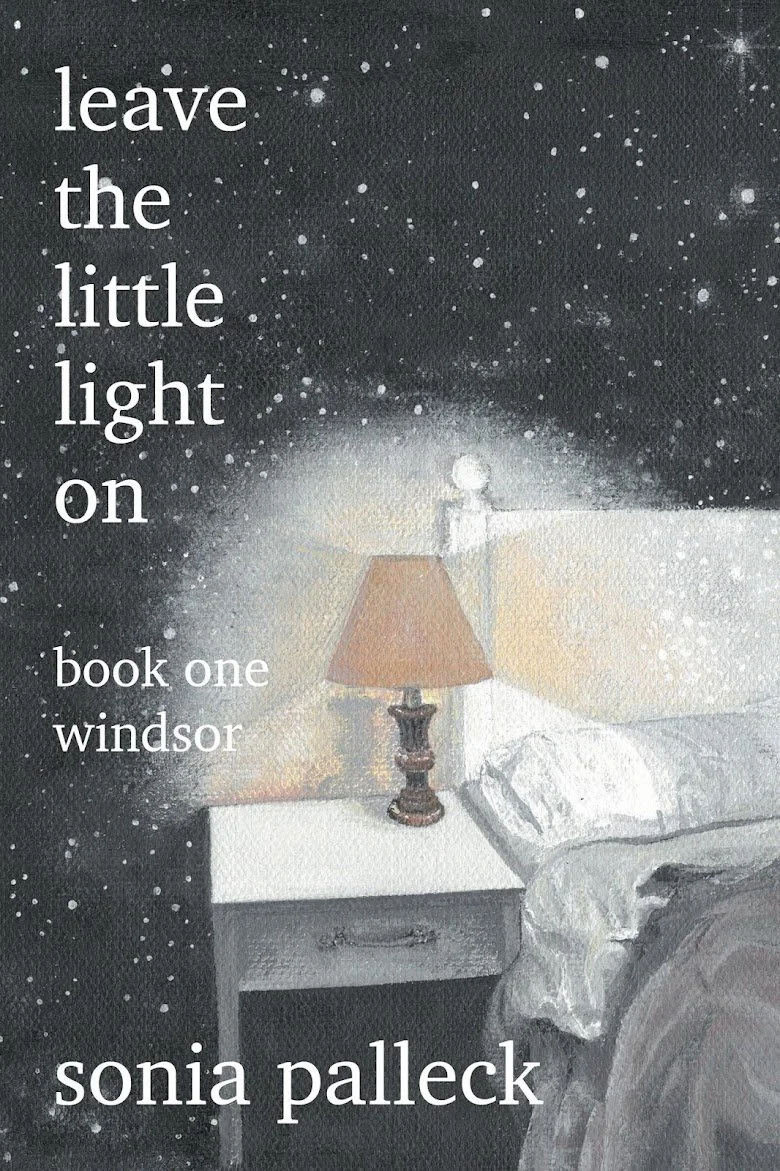
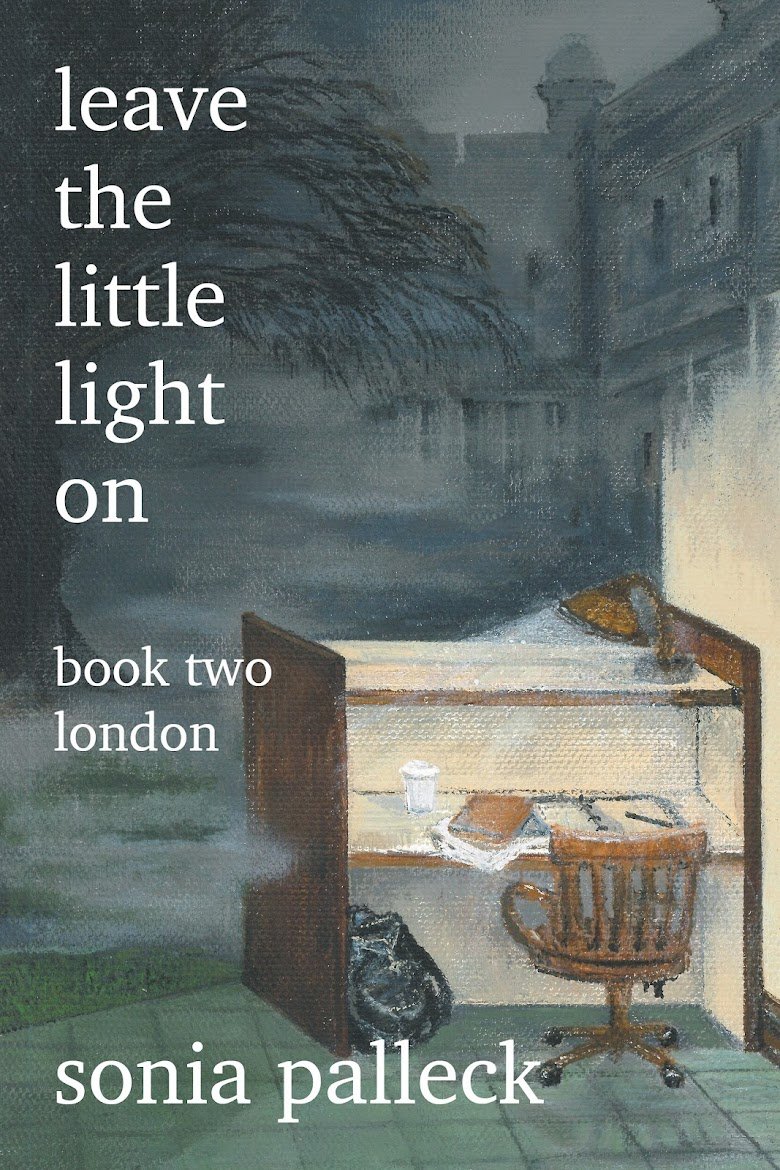
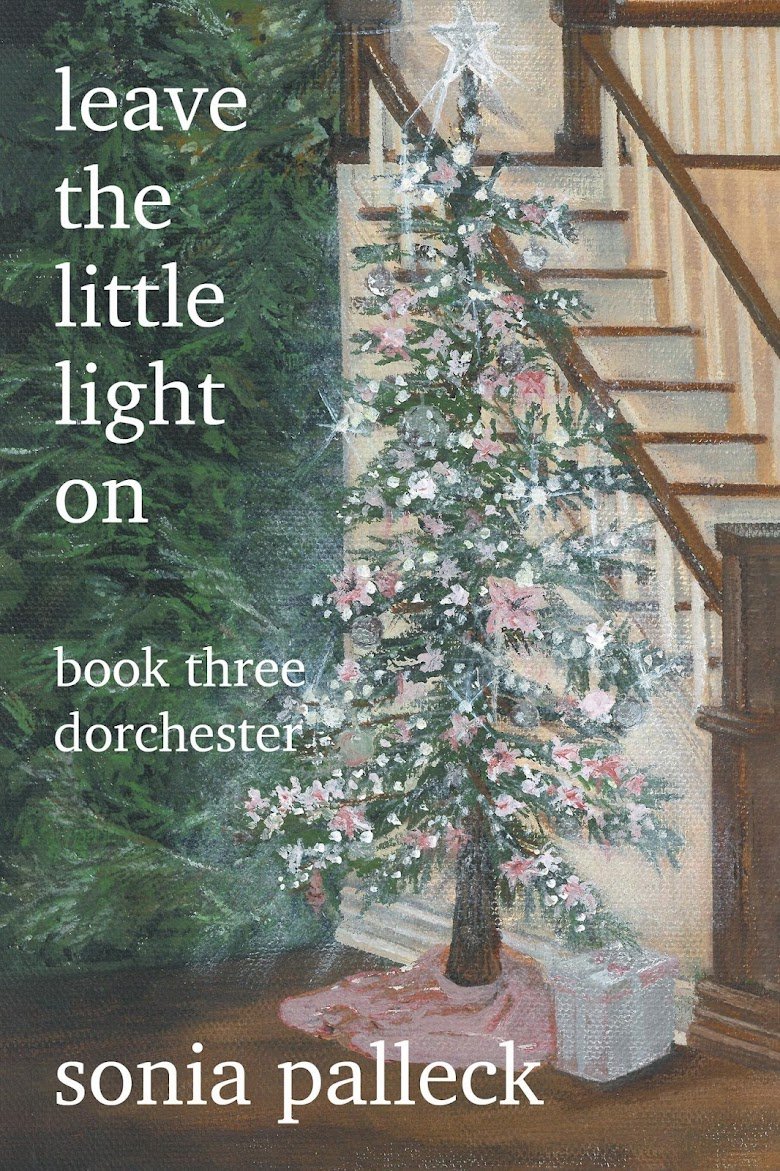
There were natural divisions based on the cities I had lived in. I subtitled them Windsor, London, Dorchester, and Woodstock. They represent different periods of my life. That’s actually how the books are divided: book one is Windsor, and so on. The fourth book ended up being the shortest of the four, but they were naturally divided.
I didn’t know much about writing. Once I decided I wanted to be a writer, I started learning everything I could – reading, courses, retreats, online groups. I realized I was improving, but at the time I was just producing.
I learned a lot more about publishing while self-publishing, what it means to produce a book, edit it, get it to print. I knew nothing about rewriting. I did not rewrite these books. And that is shocking to me now, knowing what I know.
How did you go from multiple manuscripts to a published author?
When I tried to shop it around, I reached out to two agents and they both said no. The second agent was in New York. Her name was Victoria. She said, “You’re never going to get a four-book series published. You’ve never been trained as a writer. You’ve never written anything. Just self-publish it.”
So, I did. I went into that landscape, did some research, and very quickly I liked FriesenPress. You are Canadian, employee-owned, and as a self-employed person, I thought this was the best way to put the books out.
At the time, I thought that would be it, that I had done what I was called to do. I would finish the books and publish them, and that would be the whole job. But it didn’t turn out to be the end.
Your next book We Three Queens was picked up by Penguin Random House and is slated for a November 2026 release. How did that process unfold?
It was a big jump. After publishing the four books in one calendar year, which even FriesenPress said was unusual, I realized how much work it is to sell books. You’re doing everything: marketing, publicity, promotion. And if you have another job, you have even less time to devote to it. I realized I needed space. I knew if I sold everything I owned, I could free myself for about two years to focus entirely on writing.
I went to the desert, as I often do when I need clarity, and that’s where We Three Queens came through. I feel like I write in a channeled way. That book came to me, and I wrote it in about three weeks. Later, I went to a retreat in New Hampshire and had a breakthrough about clarity. I realized clarity means the reader must move through the story smoothly, not be pulled out of it. Then I rewrote We Three Queens and submitted it to a Hay House contest. I entered, submitted it, and I won.
At that point I had a contract, but I didn’t know how to read it properly, so I looked for an agent. One agent said “no.” Then I reached out to the agent who had rejected my earlier work, and she said yes this time.
She signed me, and from there Penguin Random House became involved.

That is a huge accomplishment – congratulations! In addition to We Three Queens, are there any other book projects that you have in the works?
I’m still writing constantly. I’ve written Sweet Facade, Brother Good, The Mask Factory, which is set in New York and is mainly about authenticity. I’ve also written Yinyang, which is an AI love story. That one is quite unusual, based between São Paulo and Beijing, and the idea of antipodes and opposites on the planet.
All of these are very different stories, but I feel like they’re all connected. What I find is that if you boil all of these books down, even though they seem so far apart, they all come back to the same thing. We are all human. We all experience the same emotions. When we can look at life from different angles, we realize we are far more alike than we are different.
That’s really what I’m trying to do. My calling is to write stories that unify humanity, to give us common ground, to help us understand love, existence, and why we’re here. I feel inspired to keep learning and to become the best writer I can to continue doing that.
What impact did publishing with FriesenPress have on your writing journey?
FriesenPress was great to work with. I had such wonderful editors. I remember one of them read the books and actually called me to congratulate me on the writing, which had a big impact on me at the time. I had a lot of doubts about whether the work was any good or not, and I often wondered, “Who cares? What is this going to become?” To have someone who knows what they’re doing say, “Yes, this is good,” gave me hope that I could learn to do this properly.
I really enjoyed the publishing process with FriesenPress. There was flexibility in letting me keep the projects moving quickly. I had a sense of how I wanted the process to go, and I appreciated being able to maintain momentum rather than waiting between stages. And even small things, like the cover design, the interior formatting, choosing cream paper instead of white, those details mattered. I wouldn’t have known any of that without their guidance.
In the end, I’m very proud of how the books turned out. I feel proud to say I created them. They were my first efforts as a writer, and they were made here in Canada with an employee-owned company, which I also value. If you’re going to spend money, it’s good to support something like that.
Interview conducted by Brian Cliffen, FriesenPress Employee Owner and Marketing Manager.
Learn more about Sonia at soniapalleck.com and on social media @soniapalleck.


