
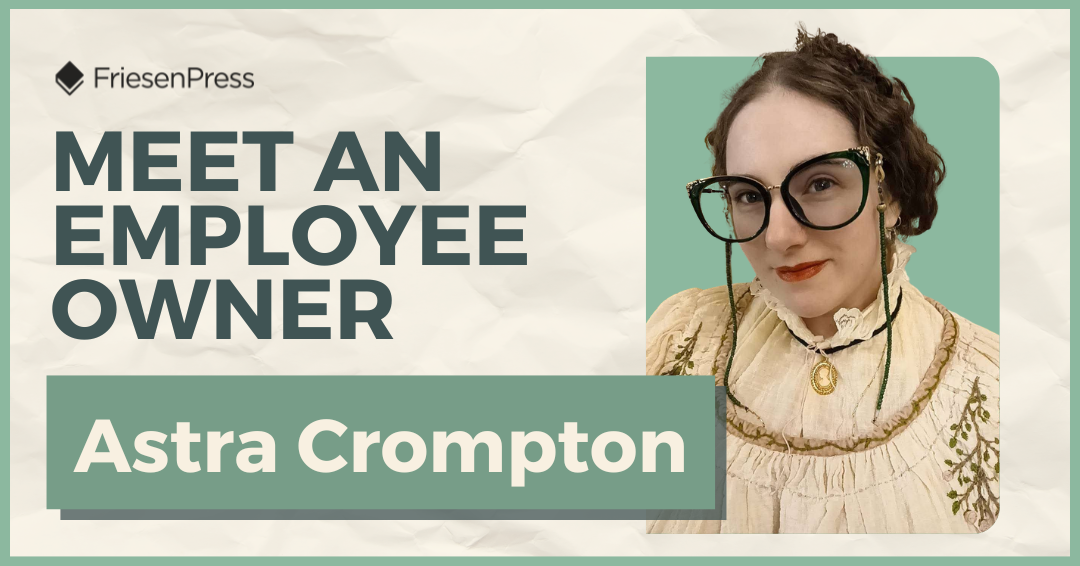
Meet an Employee Owner: Astra Crompton
/
“It’s truly rewarding to pair authors with the perfect editor or illustrator so that magic results…I deeply appreciate our team’s expert skills and I have a personal investment in seeing that our authors get the best quality work.”
Ask any of our 11,000+ authors: it’s the people who make publishing with FriesenPress so special. Why? As employee owners, we’re directly invested in you and your story, bringing a rare level of care to the book projects entrusted to us.
In our Meet an Employee Owner series, we’re getting to know some of the amazing individuals who help our authors publish their incredible books.
In this month’s edition, we’re spending time with FriesenPress Editing & Illustrations Coordinator Astra Crompton! A prolific and experienced author in her own right, Astra’s expert talents and guidance have positively impacted literally thousands of our authors’ projects since she joined the team in February 2015.
What originally drew you toward FriesenPress?
My oldest memory is sitting in the dye room of the book restoration job where my mom worked and coming up with fantastical names for each of the bottles on the racks – like Dragon’s Blood and Unicorn Horn and such. I naturally grew up loving books and had been self-publishing comics and novels of my own for a number of years. My old manager found the FriesenPress job listing in the paper and recommended I apply!
Starting as a publishing specialist, I had the opportunity to learn all about the production of a book, including editing, illustration, design, and promotion. I had the pleasure of working with hundreds of authors and collaborating to bring to print some truly exciting projects, with my absolute favourite being the fancy custom editions. In all of that work, I found my calling in editing and illustrations, got my editing certification, and moved into the Editing & Illustrations Coordinator role. I’ve been here ever since!
What do you find most rewarding about your role?
Editing and illustration are the bones and soul of a book. Editing is like sculpting: carving away the bits that aren’t needed and polishing the work until its true shape shines. Illustrations are like a movie soundtrack: they give the words tone, mood, and colour that engages readers’ senses on both emotional and intellectual levels. It’s truly rewarding to pair authors with the perfect editor or illustrator so that magic results. And as an editor and illustrator myself, I deeply appreciate our team’s expert skills and I have a personal investment in seeing that our authors get the best quality work.
Tell us a bit about your life outside of work – what are some activities and/or interests that fill your cup?
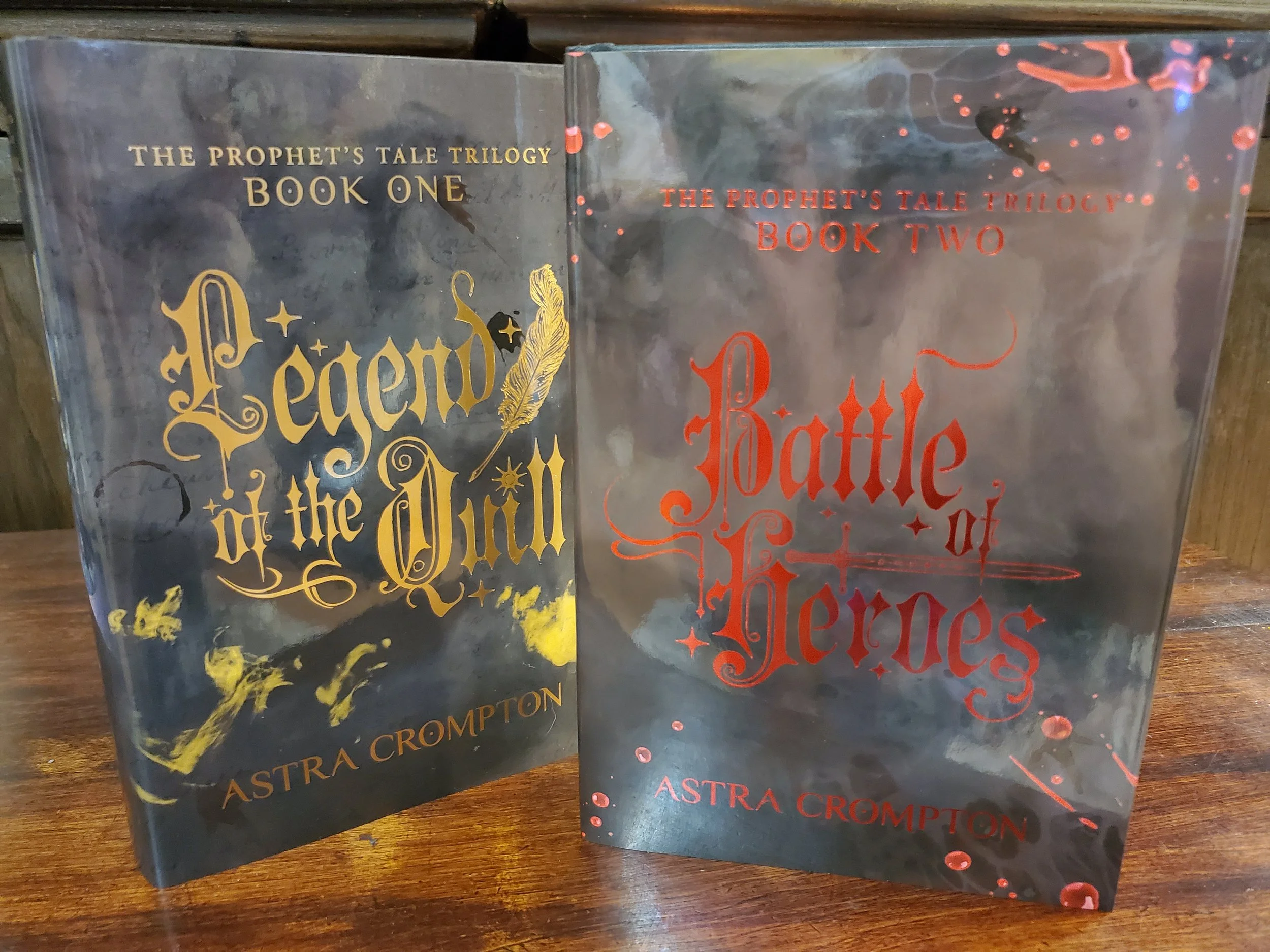
Outside of work . . . I’m also an editor and illustrator! I’ve always been creative, and that primarily manifests in books. I write, illustrate, and edit all flavours of fantasy, both in my own works and on commission for other authors. Tangentially, I love to read, play tabletop role-playing games (or TTRPGs), and hand-sew historically inspired clothing (like the one I’m wearing in my portrait!). I’m passionate about learning how things were traditionally made by hand, and that often manifests in finding any excuse to dress eccentrically, use fountain pens and sealing wax, and bring beauty into my spaces.
Most recently, Book Two in my epic second-world fantasy trilogy was published (and printed by the fine folks at Friesens). I really love the foil, sprayed edges, book ribbons, and world map endsheets for these limited deluxe editions!
What are some of the best reading experiences you’ve ever had? Why are they so remarkable to you?
The books that stick with me longest are the ones that have changed my perspective on how a story can be told, whether that’s by writing style, technique, page layout, or content. Some examples include:
City in Glass by Nghi Vo, which is chock-full of brilliant concepts that feel like they each deserve their own books;
Perfume by Patrick Süskind, which changed how I thought about using sensory descriptions;
Mister B. Gone by Clive Barker, which worked with the page layout and second-person POV to make the book feel like a live thing in my hands;
N. K. Jemisin’s Broken Earth trilogy, which is a modern masterpiece from start to finish in its voices, themes, and narrative prowess;
and Douglas Adams’s Hitchhiker’s Guide Trilogy in Five Parts, which reminded me that I don’t have to take books so seriously.
A recent gem was The Everlasting by Alix E. Harrow. This book stood in conversation with a long legacy of fables in a way that made it feel timeless, while also being so immediate and important in its themes. And, as always, Harrow writes for people who love both books and the play of language, so the prose is gorgeous.
What does being an employee-owner of Friesens and FriesenPress mean to you?
In this age of faceless corporate entities, I think it’s important that we be more conscientious of the people behind the brands we support with our custom. Being an employee-owner helps provide transparency in how the company operates and who makes it run on a day-to-day level. It’s a refreshingly human approach to labour that matters now more than ever.
Looking back across all the conversations you’ve had and books you’ve worked on, what projects jump out as being particularly noteworthy or special to you?
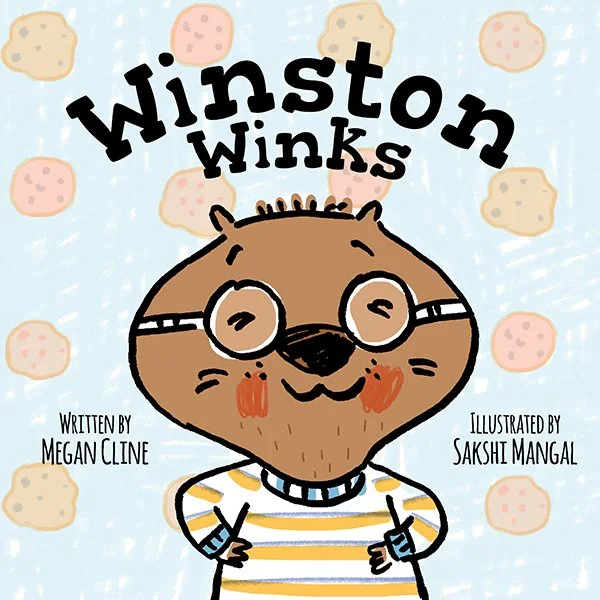
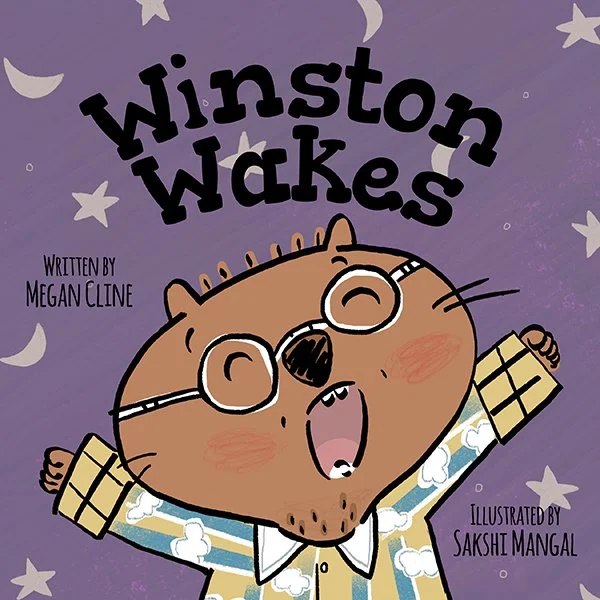
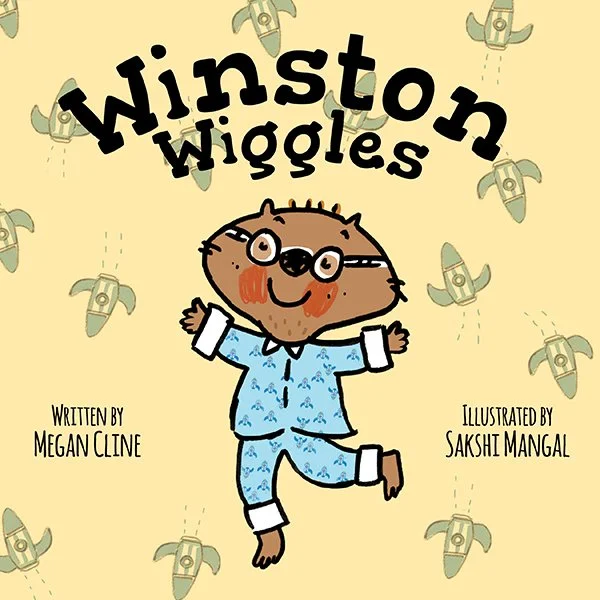
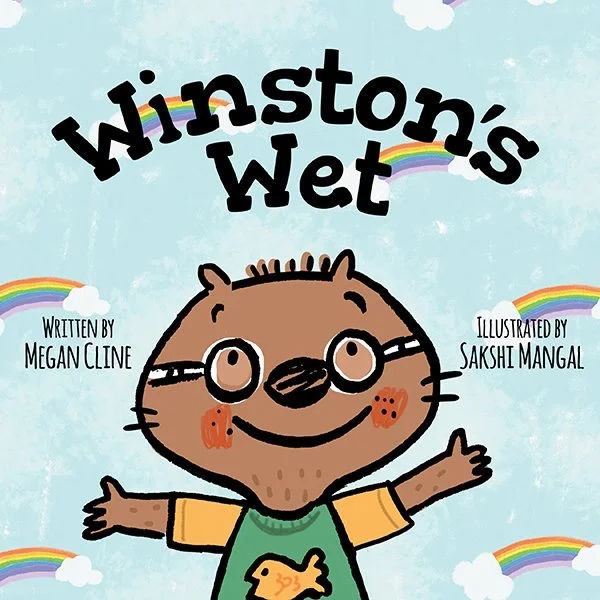
I will always love Megan Cline’s Winston series: Winston Winks, Winston Wakes, Winston Wiggles, and Winston’s Wet. These children’s books are so sweet and well written — and so accessible for readers of all ages. We had a perfect match in pairing Sakshi’s illustrations, since they brought these characters to joyful life.
The author was also so wonderful to work with, doing tours throughout American schools to ensure her books reached every state, and really put all her love into these stories that help families build healthy and supportive communication with their children. I’m really proud of her, and hope that I was of some help in making this series possible (and so happy that she accepted my suggestion to make Winston a little wombat!).
What’s a piece of writing and/or publishing advice that you wish more writers knew (and why)?
If you are publishing a book, you must want someone to read it, so it’s important to think of how your book will land with those intended readers. It’s easy to get really emotionally tied to a concept or phrasing or “the way that you wrote it,” but the average reader sees none of that history. They can only judge the work on its final form, so always ask yourself, “Will this make my book better for my readers?” Sometimes, when that answer is yes, it might mean letting go of things you were emotionally tied to — whether that’s an editor’s suggestion to cut a section that’s dragging the pace, or a designer’s suggestion to not use an unrelated photo of your beloved grandchild for the cover, or a promotions specialist’s suggestion to hone your target audience to a more specific demographic. Letting go of preconceived notions gives your book the chance to evolve into a better, stronger, more impactful version of what it could be. It’s worth it, I promise.
What’s the biggest lesson you’ve learned in your role helping authors at FriesenPress?
No matter if an author sells 10 or 10,000 copies, publishing a book is a monumental achievement that cannot be compared with another author’s success.
What works for one author may not be right for another. I love taking a holistic view of a book project for how all the parts come together as a whole, and the possibilities continue to expand with each new project I handle. It’s truly gratifying that, even eleven years later, I still get requests I’ve never heard before. It really makes me appreciate the boundless creativity of people.
Asked by our previous respondent, Brian: what is one publishing or book-related prediction you think will happen within the next 12 months?
Consider this wishful thinking, but I’m seeing a tide turning of readers and creatives pushing for human-made books. Backlash is growing against people using generative AI as knowledge spreads about its many harmful, destructive, and disrespectful facets. It’s made me appreciate the little human flaws in art or writing that underscore it came from real human brains and hands, so I anticipate more vocal “no-AI” or “human-made” labelling and promotion for books, and perhaps even the return of “trap words,” where authors hide intentional flaws in their books to catch out theft of their work.


